
We believe every child speaks a hundred languages.
Spring Mandarin is built on a simple conviction: that children learn language the way they learn everything else — by living inside it. And that a child trusted with real questions, real materials, and genuine curiosity becomes capable in ways no curriculum can manufacture.
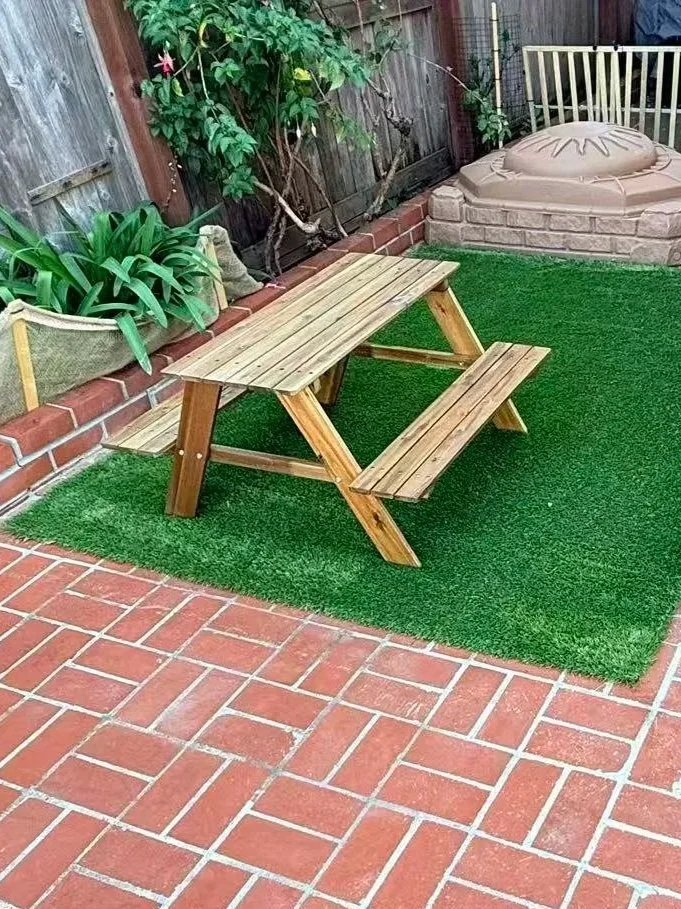
We believe children learn by living — not by being taught.
At Spring, that conviction shapes everything: a Reggio-inspired environment where Mandarin is the living language of inquiry, where children's questions drive the curriculum, and where learning happens through direct encounter with the real world — outdoors, through materials, and across the languages children are building inside themselves.
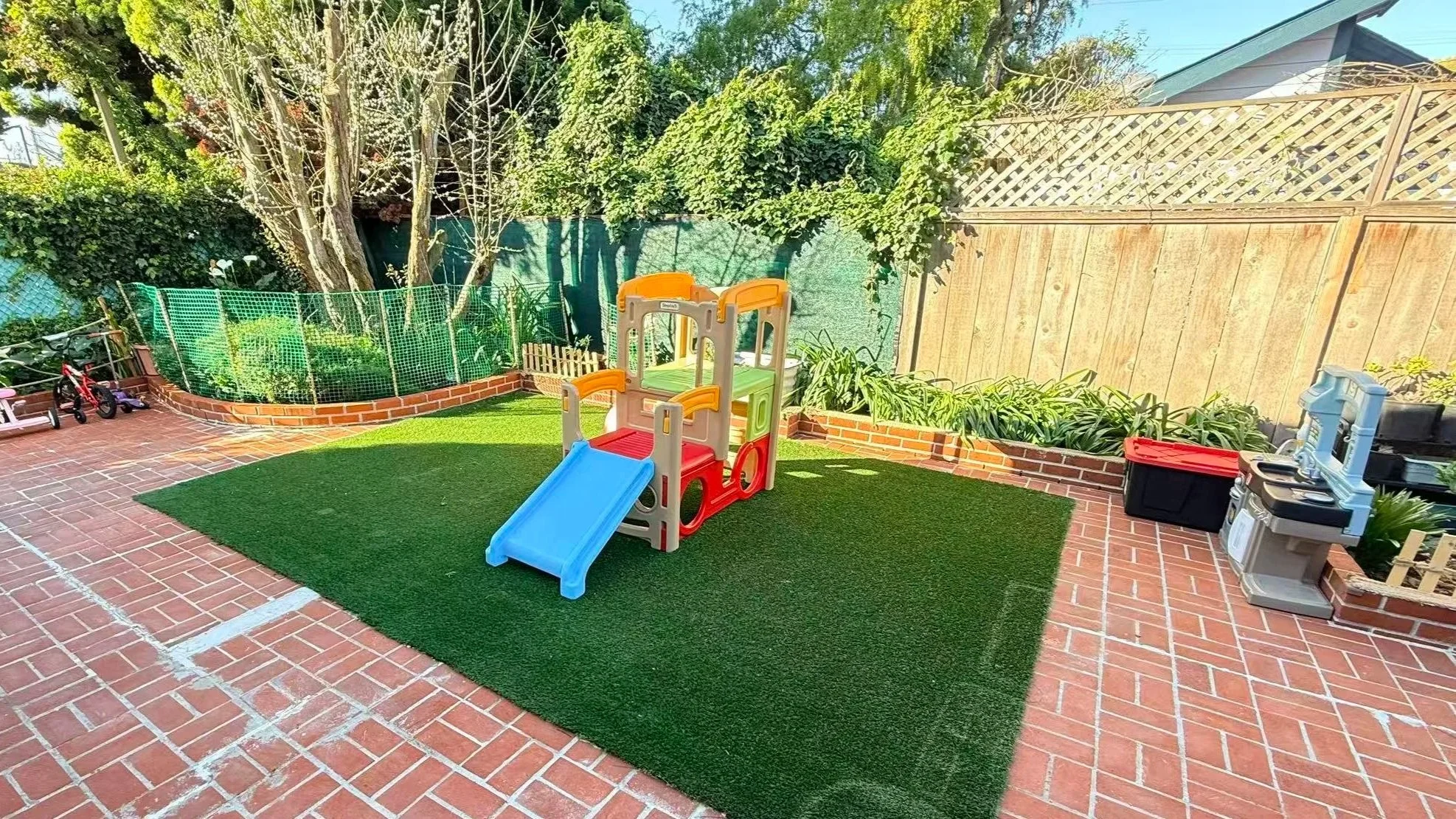
Hello, World!
The Child, the Environment,
and the Hundred Languages
At Spring, we treat every child as a capable thinker whose curiosity is worth following.
Guided by the Reggio Emilia approach, we build a learning environment where Mandarin is the medium — not the subject — and where outdoor exploration and STEAM inquiry give children direct, hands-on encounter with the questions that already matter to them. Research consistently shows that early bilingual exposure supports cognitive flexibility and executive function development. Children do not need Mandarin at home for immersion to work — consistent daily exposure is what drives language development, and that is what we provide.
"The child has a hundred languages, a hundred hands, a hundred thoughts, a hundred ways of thinking, of playing, of speaking."— Loris Malaguzzi, Founder of the Reggio Emilia Approach
How Reggio Emilia Lives at Spring
Reggio Emilia is not a curriculum you follow — it is a stance you take toward children. Here is what that looks like in practice.
Active Protagonist of Learning
We observe children's genuine interests and build Circle Time around their questions — encouraging them to hypothesize, discover, and lead. Your child is never just a student; they are a researcher.
The result: a child who knows how to ask the questions that matter — and isn't afraid to not yet know the answers. The child as co-constructor of knowledgeThe Third Teacher
Our space is intentionally designed — natural light, open-ended materials, and areas that shift with the children's projects — to provoke thought, invite exploration, and reflect the children's work.
The result: a child who knows how to be curious — because the environment has made it unavoidable. Space as the third teacherLearning as a Shared Story
Documentation at Spring is not a report — it is an invitation. Photos, recorded dialogues, and displayed projects open a window into your child's inner process, turning learning into an ongoing conversation between school and home.
The result: you are never on the outside of your child's day — you are woven into it. Families as partners, not observersWhat Families
Ask Us Most
How will I know what my child is actually doing each day?
Documentation is part of the teaching itself, not an add-on. Inspired by the Reggio Emilia approach, we use photos, recorded dialogue, and project documentation to make learning visible — so you see not just what your child made, but how they thought through it. You also have our direct contact for questions at any time.
My child needs more individual attention than a large class can give. Can Spring accommodate that?
Spring is licensed for a maximum of 8 children, with a 1:4 teacher-child ratio. In practice, this means your child is genuinely known — their patterns, their triggers, their particular way of approaching something new. Not managed. Known.
We've seen "Mandarin programs" that are just 30 minutes a week. What makes Spring genuinely different?
At Spring, Mandarin is the primary language of instruction and daily life. It is the language your child hears when they arrive, when they play, when they eat, when they transition between activities. They are not learning Mandarin as a subject — they are living inside it as a medium.
We also welcome families who don't speak Mandarin at home. Research consistently shows that children can develop strong bilingual fluency from an immersion environment alone.
I've heard home-based daycares sometimes use screens to manage children. What is Spring's policy?
Spring is a screen-free environment. No television, no tablets, no devices — at any point in the day. Transitions are supported through Mandarin songs, storytelling, natural materials, and independent exploration.
Our environment is DSS licensed and subject to unannounced inspections. License #013424115 is publicly viewable on the California Community Care Licensing website.
What are the actual qualifications of the person teaching my child?
Spring's Founder and Director holds both a Bachelor's and Master's degree in Child Development from San Francisco State University, with over eight years of experience in Reggio-inspired curriculum design and Mandarin bilingual early childhood education. She is directly responsible for curriculum design, learning environment setup, regulatory compliance, and providing families with professionally informed responses to questions about their child's development.
When you have a question about your child's development, you have direct access to someone with both the academic training and the classroom experience to give you an informed answer.
We both work full-time. Do your hours actually work for working families?
Spring is open Monday through Friday, 8:00 AM to 6:30 PM — ten and a half hours of coverage, designed around the reality of a working family's day. We follow the Albany Unified School District calendar for major holidays, but remain open on AUSD professional development days — some of the hardest days for working parents to cover.
Part-time options are also available: 3-day full, 2-day, or half-day AM schedules for families who need flexibility.